
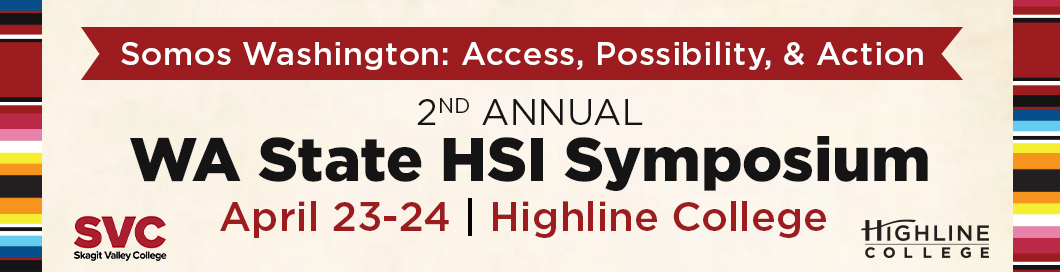
Register Here
Deadline: Friday, April 10th, 2026
Hotel & Lodging Information
Four Points by Sheraton Seattle Airport South for 109.00 USD per night
Thursday, April 23, 2026
5:00-7:00pm – Registration, Welcome and Networking Reception
Heavy Appetizers Provided
Friday, April 24, 2026
8:00-8:30am – Breakfast (provided) and Registration
8:30-9:00am – Welcome & Opening Ceremonies
9:00-10:00am – Keynote Speaker: Dr. Mike Munoz, President, Long Beach CC: Strategic Leadership for Servingness with Q&A
Moving Beyond Hispanic Serving Institutions to Latino/a/x Thriving Institutions- explores the shift from simply enrolling Latino/a/x students to intentionally fostering environments where they can fully succeed. This presentation highlights how institutions can move past numerical designation toward culturally responsive practices, equity-driven policies, and holistic support systems that promote academic achievement, belonging, and long-term success for Latino/a/x communities.
10:00-10:15am – Transition/Break
10:15-11:15am – Session 1: Access
Barriers to Transitioning Non Credit Latino Students to Credit Bearing: A qualitative study at Highline
Presenter: Christie Knighton, Ph.D.
Description: This session will describe findings from a case study research project completed at Highline College during the 2024-2025 academic year, focusing on how institutional practices and support systems either support or hinder non-credit Latinx students from transitioning to postsecondary classes. The study examined the English Language, Career and Academic Preparation (ELCAP) department, where Latinx students represent a significant portion of enrollment yet have among the lowest rates of transition to credit-bearing courses. Using an explanatory case study design, data were gathered from 12 student focus groups conducted in Spanish across multiple class levels and time zones, two faculty focus groups, and institutional enrollment and level-movement data. Findings will be discussed through the lens of two theoretical frameworks — culturally responsive pedagogy and the servingness framework — and recommendations for both practice and policy will be shared.
Building Sustainable Pathways: Leveraging Partnerships and Private Funding to Advance Latine Student Success
Presenters: Yadira Rosales & Kati Ortiz
Description: As a Hispanic Serving Institution, expanding impact can be a challenge during current times. This workshop explores opportunities for advancing Latine student success at Hispanic Serving Institutions by strengthening external partnerships and leveraging private funding. Participants will learn how to build meaningful collaborations with community, industry, and philanthropic partners, while developing effective approaches to secure alternative funding when federal or institutional resources are limited. Attendees will leave with practical strategies to sustain culturally responsive programs and support student achievement.
They Treated Our Parents Like Children”: Resistencia Latina in US Schools
Presenters: Dr. Diego Luna & Cindy J. Arias
Description: This space will be a collective elevation of Latinx resistance to white supremacist schooling. From student walkouts to curriculum battles, we will engage how Latinx communities have historically challenged cultural erasure and demanded educational justice. Social movement, cultural wealth, and an eye for application will all be at the heart of this work.
Nuestra Voz, Nuestro Futuro: Puentes Creativos para el Acceso Latino- (Our Voice, Our Future: Creative Bridges for Latino Access)
Presenter: Diana Peregrina
Español: Esta sesión bilingüe redefine el acceso y reclutamiento mediante la representación cultural y lingüística activa. Exploraremos estrategias que van más allá del idioma, enfocándonos en canales de comunicación innovadores y un marketing culturalmente relevante que resuene con la identidad latina para eliminar las barreras institucionales. Los participantes colaborarán en ideas creativas que transformen el colegio en un espacio donde verse y sentirse representado sea el motor principal para atraer y enganchar a las familias con orgullo y confianza.
English: This bilingual session redefines access and recruitment through active cultural and linguistic representation. We will explore strategies that move beyond language, focusing on innovative communication channels and culturally relevant marketing that resonates with Latino identity to dismantle institutional barriers. Participants will collaborate on creative ideas to transform the college into a space where seeing and feeling represented is the primary driver for attracting and engaging families with pride and confidence.
Nota: Esta sesión se llevará a cabo íntegramente en inglés y español / This session will be conducted entirely in English and Spanish.
From Idea to Institutionalized Servingness: Building Belonging Through Spanish New Student Orientation
Presenter: Kelly Betancourt
How does a good idea become a sustained institutional practice that truly serves students? In this session, you’ll walk through the journey of transforming Spanish New Student Orientation from a one‑off effort into a fully institutionalized, multi‑language model of belonging. Learn how cross‑campus partnerships, shared purpose, and disaggregated student data shaped this work and leave with concrete strategies for moving your own servingness ideas from inspiration to implementation.
11:15-11:30am – Transition/Break
11:30am-12:15pm – General Session with Marivy Vasquez, M.A.
From Access to Belonging: Transforming Student Support to Advance Servingness at Emerging Hispanic-Serving Institutions
Description: As institutions across Washington State move toward Hispanic-Serving Institution (HSI) designation, there is an increasing need to shift from enrollment-driven approaches to intentional models of servingness that center student belonging and success. This session will explore practical strategies for building culturally responsive, holistic student support systems that improve persistence and completion outcomes for Latinx and first-generation college students.
Drawing from leadership experience in TRIO Student Support Services and the College Assistance Migrant Program (CAMP), this presentation will highlight effective practices such as relational advising, peer mentorship, leadership development, and community-informed programming. Participants will gain actionable insights into how institutions can strengthen equity-minded practices, foster inclusive campus environments, and move beyond access toward meaningful student engagement and achievement.
12:15-1:00pm – Networking Lunch
1:15-2:15pm – Session II: Possibility & Institutional Capacity
What does it truly take for students to thrive? The Basics Matter: Food, Housing, and the Future of Student Success
Presenters: Ciara White & Mariela Barriga
Description: The number one reason students break from school is due to financial strain. Our Latine students are dedicated, intelligent, and talented, yet the financial burdens are even more of a factor than many of their peers. At Highline College, basic needs work is more than a service—it’s a commitment to equity, dignity, and student success. We’ll share innovative strategies around program development, outreach, partnerships, student-centered program design, and culturally responsive practices expanding access to critical resources like food, housing, public benefits, and emergency funding. Whether you’re just starting or looking to deepen your basic needs work, this session will leave you with actionable ideas and inspiration to better support your Latine students—because meeting basic needs is foundational to student success.
From Enrolling to Serving: Leadership, Learning, and Data-Driven Equity in HSIs
Presenter: Keri Lobdell, Ph.D.
Description: This session translates qualitative research on HSI administrators into actionable strategies for moving from “enrolling” to “serving” Hispanic students. Participants will explore how visible leadership, continuous organizational learning, intentional strategic planning, and holistic data practices drive institutional transformation, especially in resource-constrained environments.
Leading Without Depletion: A Strategic Rest Approach to Sustainable Leadership in Hispanic-Serving Institutions
Presenter: Dr. Consuelo Grier
Description: Leaders in Hispanic-Serving Institutions (HSIs) are navigating increasing demands while advancing equity-centered work that requires sustained clarity, care, and capacity. This session introduces Strategic Rest as a practical leadership approach—not as self-care, but as a way to sustain effectiveness in complex systems. Participants will be guided through a focused reflection to identify patterns of depletion and consider one or two high-impact shifts within their sphere of influence. Grounded in research and practice, this session offers a clear entry point for leaders seeking to lead with greater sustainability and alignment.
Finding Memo y Doris: Recruiting Faculty of Color
Presenter: Dr. Ilder Bentancourt
Description: Many times, we are told that we cannot find people of color for faculty positions. This presentation offers strategies for recruiting and diversifying hiring pools. It also highlights the importance for prioritizing these efforts.
Impactful Change Management: Differentiated Engagement
Presenter: Kip Zwolenski
Description: In many ways, communities of higher education reflect the communities in which they are situated. Equity and racial justice initiatives must take into consideration the wide range of ideology, knowledge, and experience of educators to be successful. Practically, this means offering multiple, contextualized, differentiated opportunities of engagement that meet educators where they are. The presenter will share Skagit Valley College’s journey of utilizing Bensimon’s framework of First-Generation Equity Practitioners to engage faculty. There will be facilitated discussion on strategies to use on your own campus.
2:15-2:30pm – Transition/Break
2:30-3:30pm – Keynote: Dr. Elizabeth Gonzalez, Inaugural HSI Director at UCLA
From Emerging to Designation: The importance of relationships, collaboration, and strategy for building institutional commitment and capacity for enacting servingness
Description: As UCLA stands on the cusp of becoming a Hispanic-Serving Research Institution. Dr. Gonzalez explores the strategies that have shaped its emergence as an HSI. She highlights efforts to strengthen long-standing structures of servingness, build new structures to advance servingness, and transform existing systems to support a broader cultural shift across the university. Grounded in a Ñuu Savi worldview, Dr. Gonzalez brings an Indigenous lens to institutional transformation, drawing from two decades of leadership in equity and justice efforts. She centers the practices of guelaguetza—a reciprocal exchange rooted in belonging, reciprocity, and collaboration—and tequio—a collective responsibility and labor in service of the community– as frameworks for reimagining servingness in higher education. Using UCLA as a case study, Dr. Gonzalez demonstrates that lasting institutional change emerges in made possible through sustained alignment of student advocacy, staff leadership, and faculty vision. This presentation invites participants to reflect on how institutions can pursue community-rooted transformation that is enduring, authentic, and not dependent solely on federal funding.
3:30-4:30pm – Team Discussions and Action Planning
4:30pm – Closing Remarks (dinner on your own)
Speaker Bios
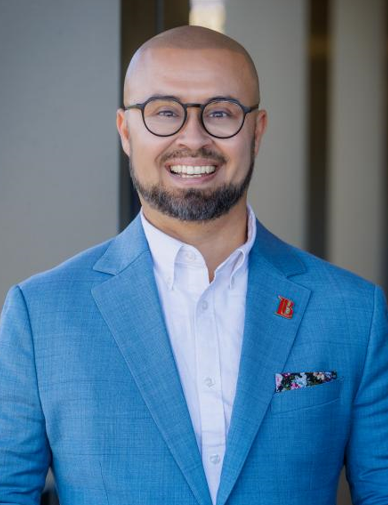
Mike Muñoz, Ed.D.
Keynote Presenter
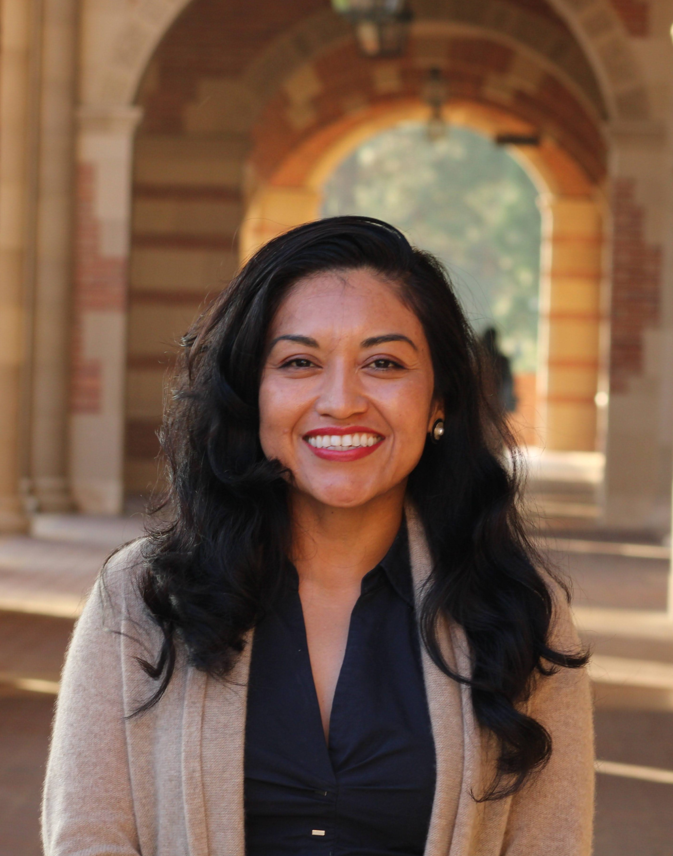
Dr. Elizabeth Gonzalez
Keynote Presenter
Dr. Elizabeth Gonzalez, UCLA’s inaugural Director of the Hispanic-Serving Institution (HSI) initiative, is an Indigenous leader committed to collective action for institutional transformation. She has led transformative efforts to strengthen student success, including the creation of UCLA’s Latinx Success Center and the Excelencia Scholars Program, a new scholarship for low-income students from LAUSD and California Community Colleges. She holds a B.A. from UCLA and both an M.S. and Ph.D. in Psychology from UC Santa Cruz.
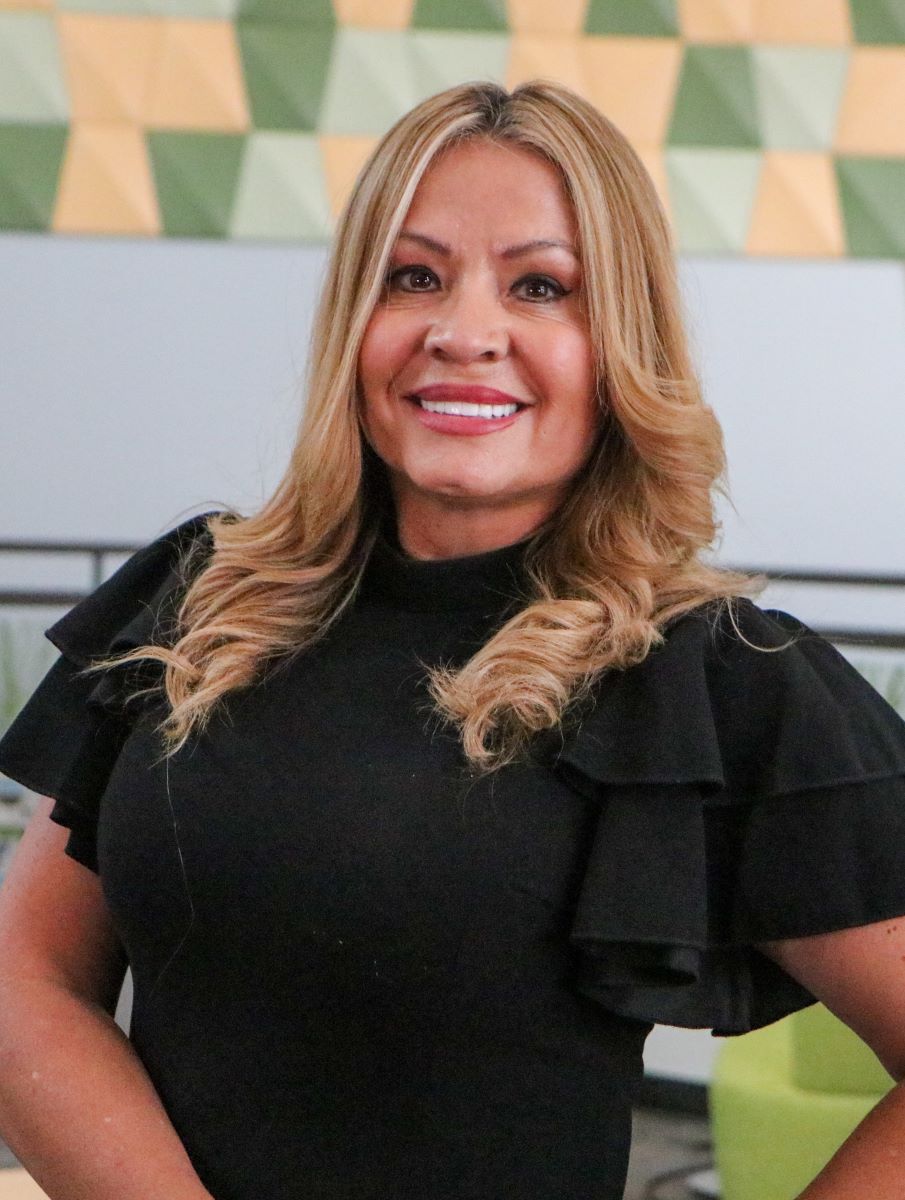
Marivy Vasquez, M.A.
Keynote Presenter
Marivy Vasquez, M.A., is the Director of TRIO Student Support Services at Yakima Valley College, where she leads initiatives focused on increasing persistence, retention, and completion for first-generation, low-income, and historically underrepresented students. With more than fifteen years of experience working in higher education, Marivy has dedicated her career to advancing equitable access and student success through culturally responsive support services and leadership development. As a first-generation college graduate, she brings both lived experience and professional expertise to her work in strengthening institutional practices that foster belonging and academic achievement. She previously served as Director and Principal Investigator of the College Assistance Migrant Program (CAMP), where she developed comprehensive support systems for students from migrant and seasonal farmworker backgrounds. Marivy holds a bachelor’s degree in psychology and a master’s degree in Spanish Teaching as a Second Language. She also serves as faculty in Spanish/English Medical Interpretation and Allied Health pathway programs, supporting bilingual workforce development and community engagement initiatives. Her work centers on transforming college access into meaningful belonging by implementing holistic advising models, mentoring structures, and culturally affirming student success strategies at emerging Hispanic-Serving Institutions.
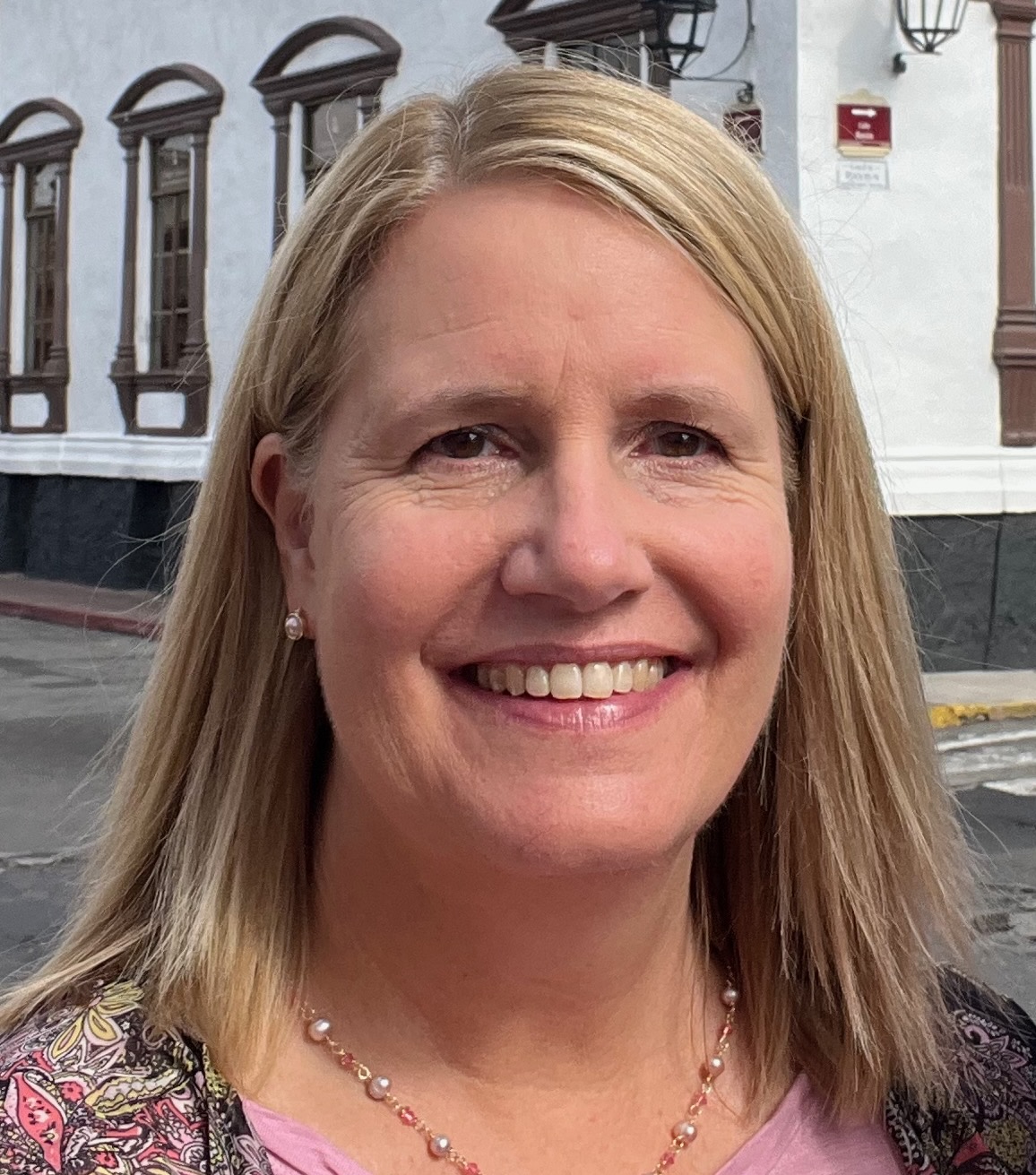
Christie Knighton, Ph.D.
Workshop Presenter
Christie Knighton has been teaching reading, basic skills, ESOL/GED and I-BEST at Highline College in Des Moines, WA since 1995. Her M.A.E. is in Curriculum and Instruction, Developmental Reading and her Ph.D. is in Adult and Higher Education. The focus of her research is exploring how institutional systems support or hinder basic skills students in transitioning to postsecondary coursework, with a specific focus on surfacing how institutional racism impacts students.
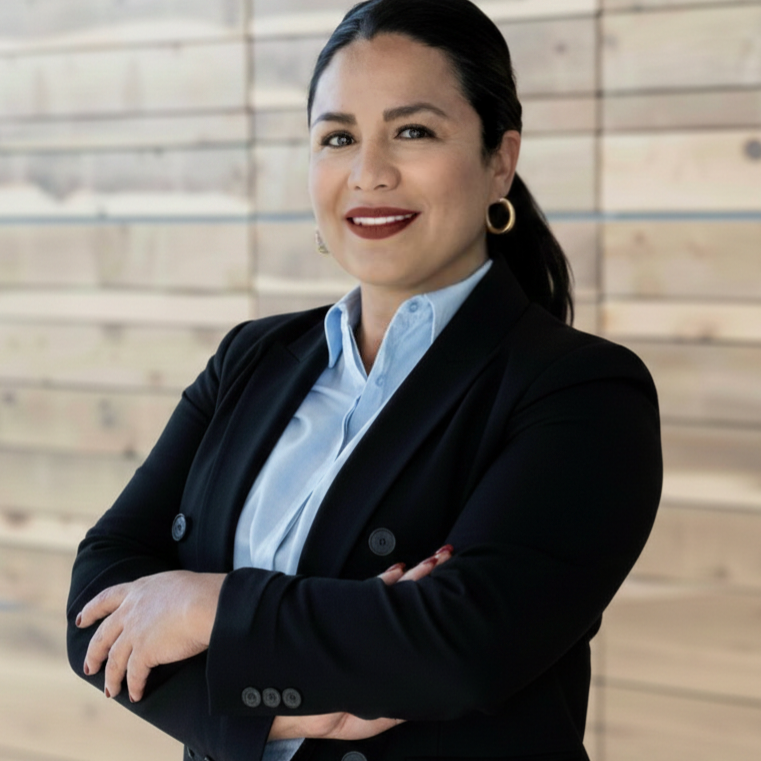
Yadira Rosales
Workshop Presenter
I serve as Vice President for Student Success at Skagit Valley College in Mount Vernon, Washington. As a first-generation college student and community college graduate, I am deeply committed to expanding access to higher education for historically excluded communities through equity-focused leadership and inclusive practices. With over 15 years of experience in higher education, I have led initiatives in DEI professional development, Hispanic-Serving Institution, community partnerships, and student success programs for marginalized populations. I hold degrees in Psychology and Adult & Higher Education from Western Washington University and am currently a doctoral student.
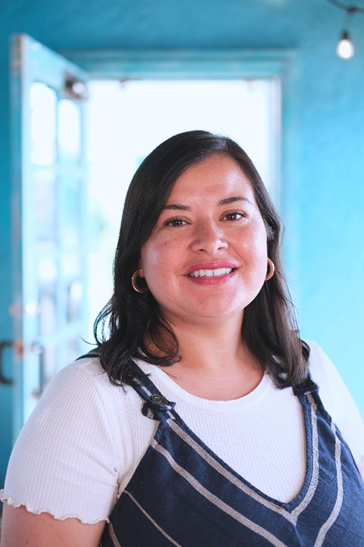
Kati Ortiz
Workshop Presenter
Kati Ortiz is new Director of Student Success. She has served as the Maestros Para el Pueblo Manager for the last two years and as an associate faculty for Latino Leadership Initiative since 2021. As a first-generation college graduate and Skagit Valley College alumna, she holds a Bachelor’s in Business and Organizational Studies from Neumann University. With a background spanning nonprofits, business, and education, Kati is deeply committed to creating opportunities and driving policy changes that uplift her community. Through her work, she has earned her recognition from the United States Forest Services International Program for direction in serving Latinx Youth in Communities in Conservation for the Kulshan Creek Neighborhood Kids Program. Known for her leadership in impactful initiatives, she was a driving force behind the launch of farmworker housing in Bellingham, WA. She actively contributes to causes close to her heart, serving on the Health Protection for Immigrant Families Task Force, the Latino Civic Alliance, Community Action, Foster Care Resources, and the Hispanic Serving Institutions Task Force at Skagit Valley College. She is the mami of Sebastian and Agustin and the oldest sister of six hermanitos. Her evenings and weekends are dedicated to her familia where they enjoy carne asadas, futbol, and kayaking.
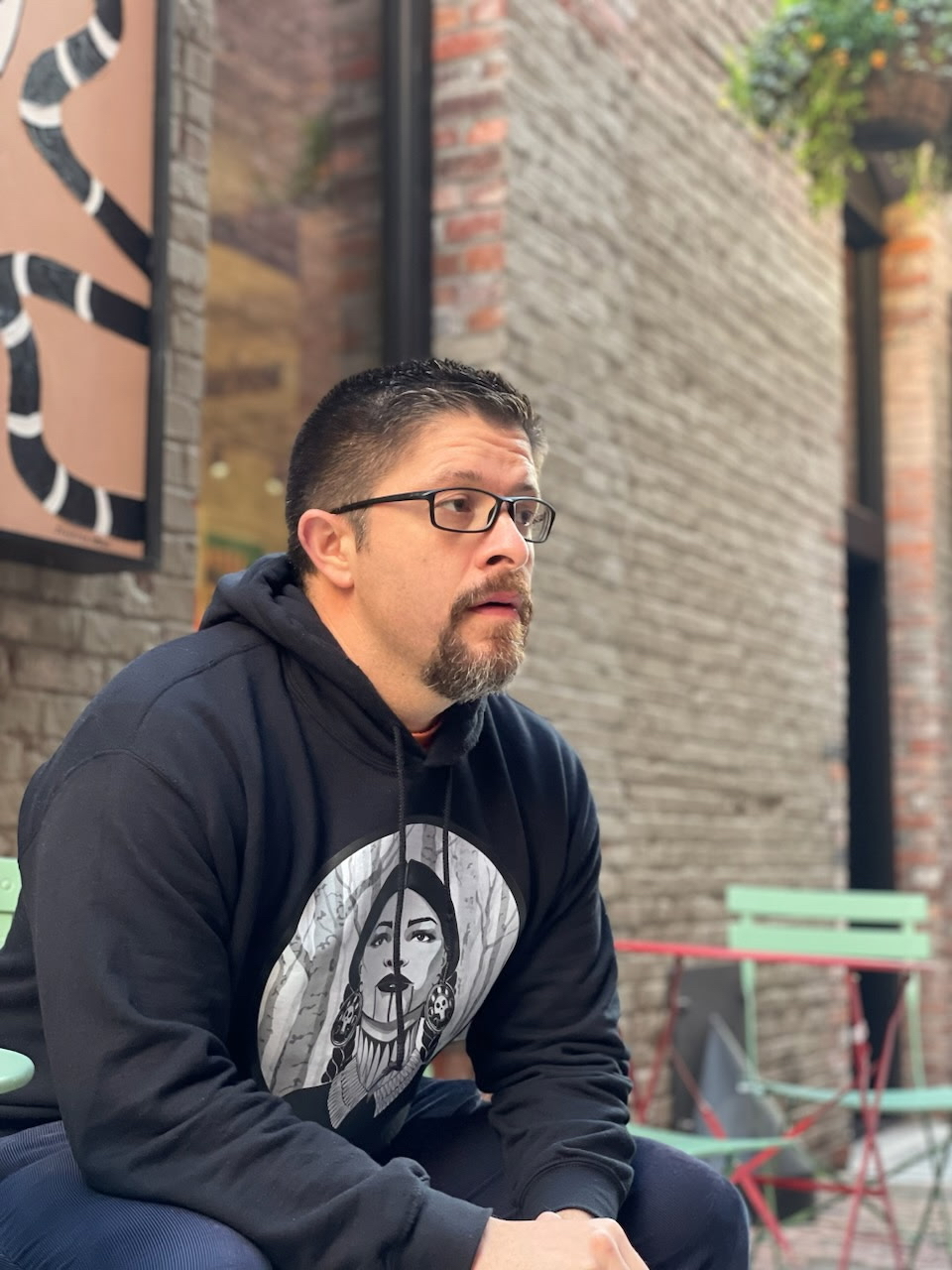
Dr. Diego Luna
Workshop Presenter
Dr. Diego Luna is tenured faculty in Ethnic & Gender Studies and Social Sciences Division Chair at Highline College. Born and raised in rural Northern California, Diego is a Chicano/Anglo who knew he wanted to be an ethnic studies profe immediately after his first Chican@ Studies class. Encouraged by his Chican@ mentors to pay it forward, Diego earned a Ph.D. in Education, Culture, and Society from the University of Utah and has had the privilege to serve as advisor, instructor, and mentor to marginalized students for over 20 years. When he is not teaching or doing the chair thing, Diego spends time with family and pursues his love of running, gaming, and speculative writing.
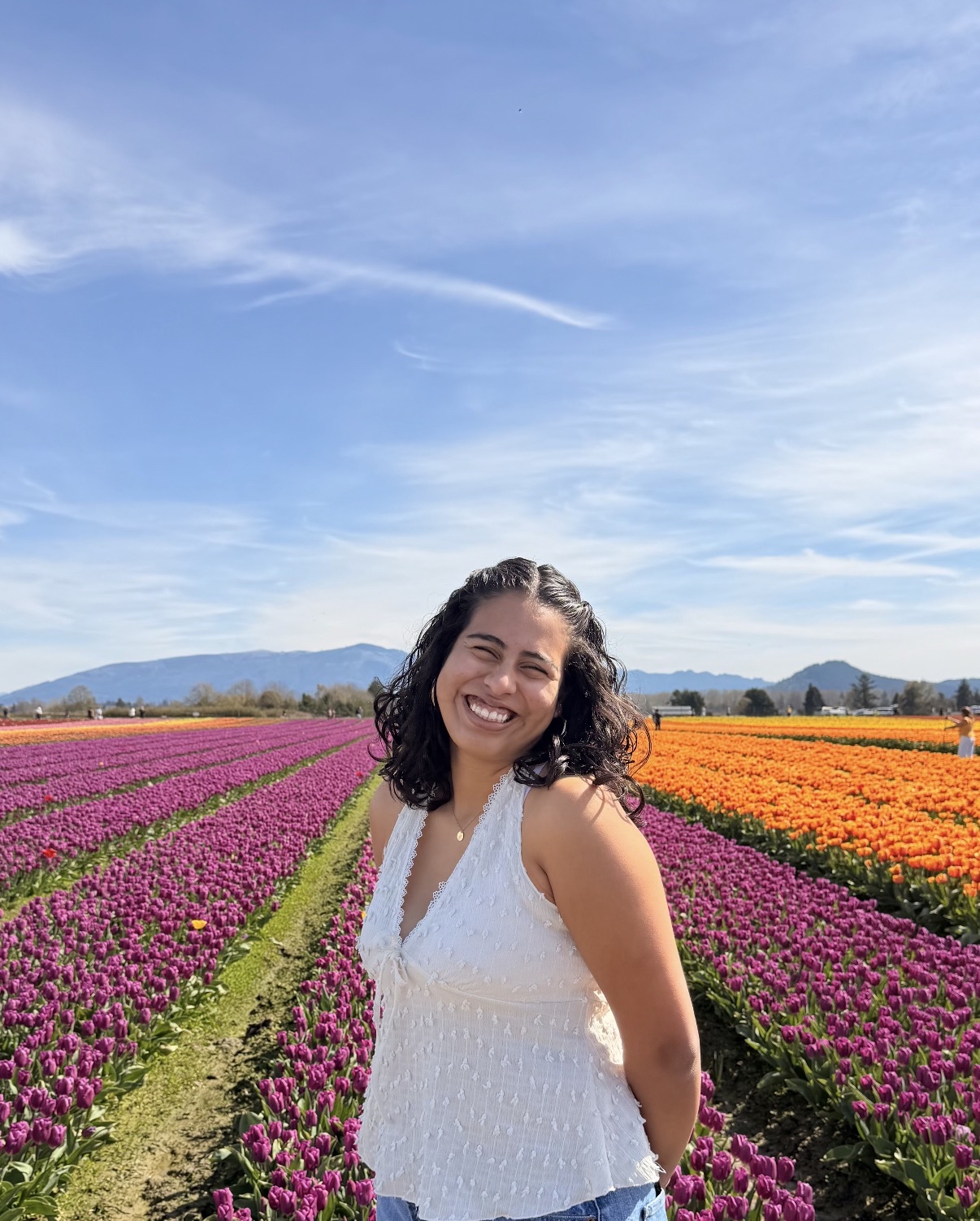
Cindy J. Arias
Workshop Presenter
As the daughter of immigrant parents and a first-generation graduate, Cindy J. Arias (she/her) views education and community as powerful tools for transformation. She is a proud alumna of both Highline College and the University of Washington. She holds an Associate of Arts in History, a Bachelor of Arts in History with a focus in PNW history with a minor in Diversity, as well as a Master of Community Planning. With over five years of experience in community and education, Cindy’s career spans from nonprofit work at GOKIC—where she empowered underserved youth through coding—to serving for the City of Kent Parks – where she worked with youth through various programs. For the past three years, she has served as the Inter-Cultural Center Leadership Advisor at Highline College. In this role, she advocates for equitable, inclusive initiatives that empower the next generation of student leaders. Cindy believes in living life to the fullest through constant “side quests.” These adventures include photography, traveling, karaoke (bad singing), running (slowly), learning French, hiking, and drinking overpriced coffee. While she is often on the move, she finds the most joy at home with her two cats, Elvis and Obi Juan Kenobi.

Diana Peregrina
Workshop Presenter
Diana Peregrina is a strategic educational leader and the Director of Recruitment at Skagit Valley College with more than 15 years of experience in multicultural outreach. She specializes in reimagining how the institution connects with and enrolls diverse student populations by advocating for “Access with Identity,” a framework that uses active cultural representation and innovative communication to dismantle traditional barriers for Latino families. As a bicultural professional who navigated the complexity of revalidating her own international studies, Diana brings a unique, first-hand perspective to higher education leadership, empowering the college to move beyond standard outreach to create authentic pathways where language and heritage are the primary drivers of community trust and student success.
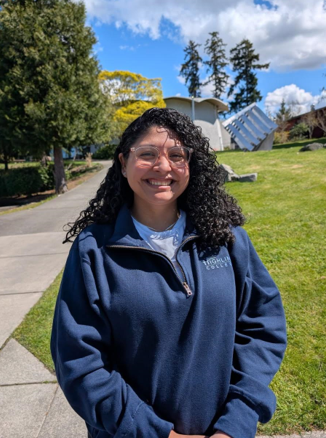
Kelly Betancourt
Workshop Presenter
Coming from a family of educators and farmers, as well as second-generation Mexican immigrants, she highly values knowledge, education and family. Kelly holds a BAS in International Affairs and ECE certifications in Administration, Infants & Toddlers. Her training philosophy focuses on promoting and empowering ECE, Higher Education practitioners, families and community members to create a servingness environment where everyone’s development and community relations can flourish. She believes in team work as an opportunity to showcast diversity, equity and inclusion into learning environments from early learning to higher education.
“If I cannot do great things, I can do small things in a great way.” Martin Luther King Jr.
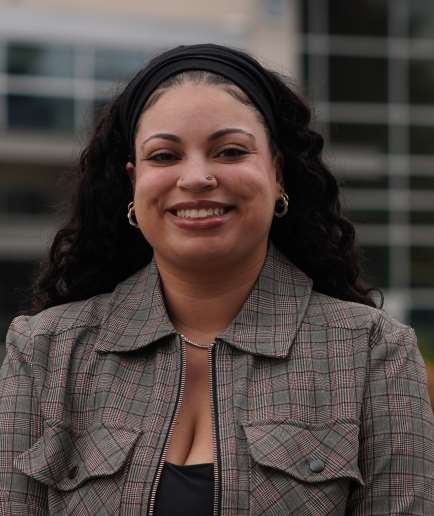
Ciara White, M.Ed.
Workshop Presenter
Ciara White (she/her/hers) is a dedicated higher education professional currently serving as the Benefit Hub Program Manager at Highline College. She earned her bachelor’s degree in Social Services, with minors in Sociology, Women and Gender Studies, and Law and Justice, as well as a master’s degree in Higher Education from Central Washington University. Ciara is passionate about student success, equity, and access, with a strong background in leadership development, program coordination, and student advocacy. During her time at CWU, she was deeply involved in campus leadership, serving as Student Trustee, President of the Black Student Union, and a McNair Scholar, where she conducted research focused on increasing student awareness of sexual health and prevention strategies. Her work continues to center on empowering students, particularly those from historically marginalized communities through mentorship, education, and resource connection. Ciara is committed to creating impactful programs that foster leadership, belonging, and long-term success.
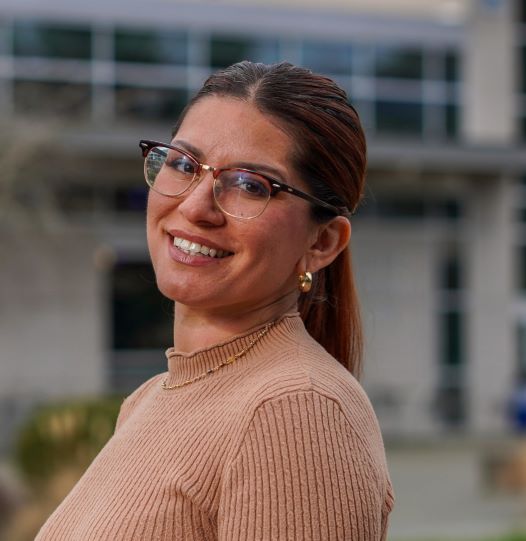
Mariela Barriga Chavez
Workshop Presenter
Mariela Barriga Chavez (she/ella) is the Associate Dean for Innovation, Transformation, & Student Supports at Highline College. She spearheaded the founding of Highline College’s basic needs center known as the Highline Support Center. She is also leading Highline College’s HSI work and Tribal Relations. Previously, Mariela was a youth development practitioner serving teens of color and recently completed ten years of Board service: three with Yoga Behind Bars and seven with School’s Out Washington. Born in Northern California, Mariela comes from a family of educators, artists, farmers, and storytellers
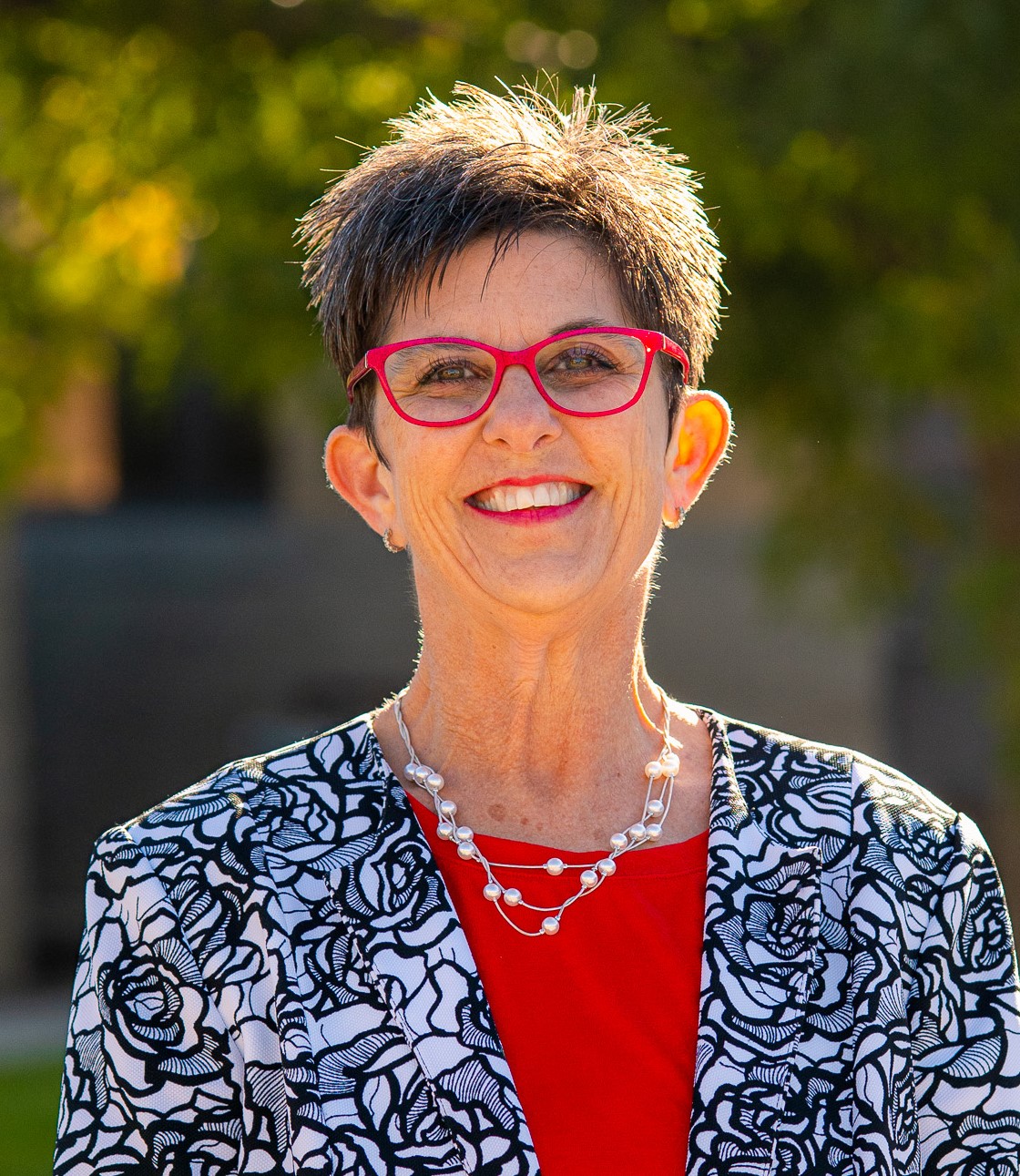
Keri Lobdell, Ph.D.
Workshop Presenter
Keri Lobdell, Ph.D., is the Dean of Library and Instructional Services at Columbia Basin College (CBC), where she has served for five years. With a 20-year career in higher education, Keri’s journey began at CBC as a non-traditional student, working in the First-Year Experience office and mentoring peers in the TRIO program and students on academic probation. She later served as Title V Director at CBC and as interim Director and Retention Specialist for TRIO SSS at WSU Tri-Cities. Keri holds a Ph.D. in Leadership, with research focused on leadership and strategy in Hispanic-Serving Institutions, and a master’s in psychology with a social psychology emphasis. As a first-generation college graduate from a family of military veterans and civil servants, Keri values service and community. Outside of work, she enjoys the outdoors, time with friends, family, and her dogs, Poppy and Tallulah.
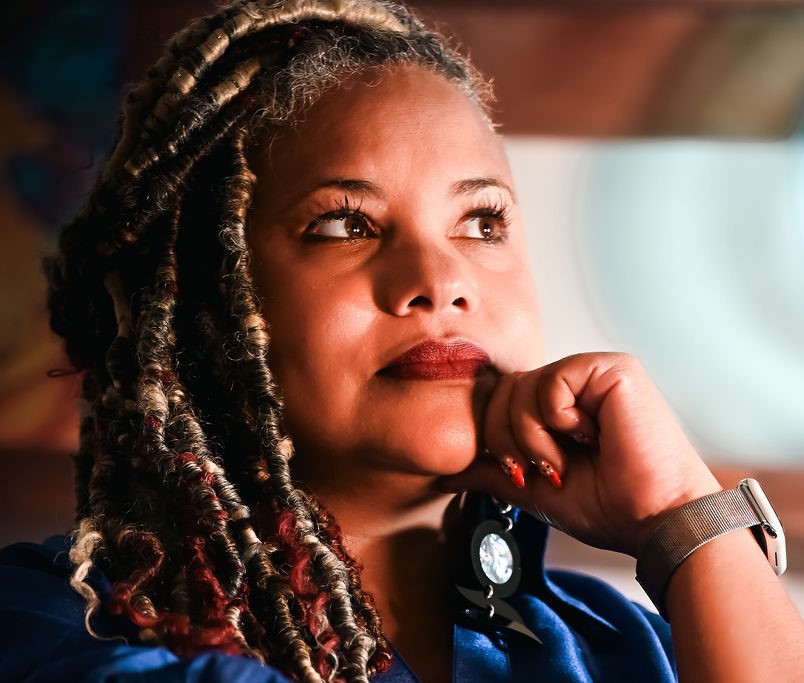
Dr. Consuelo Grier
Workshop Presenter
Dr. Consuelo Grier is the Vice President of Community Care & Institutional Transformation at Bellevue College and Founder of Brave Space Collective, LLC. With nearly 25 years of experience, she is a nationally recognized leader in equity-centered strategy, organizational change, and leadership development. Her recent publication, Preventing the Burnout and the Burn Through: Leaning into Structured and Strategic Rest (IAFOR, 2025), positions her as a leading voice in strategic rest as leadership praxis. Dr. Grier provides executive coaching and consulting nationwide and is known for her human-centered, justice-focused approach to leadership that supports sustainable impact across educational and nonprofit sectors.
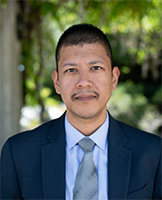
Dr. Ilder Bentancourt
Workshop Presenter
Ilder is the son of Latino undocumented immigrants and grew up in Los Angeles. He is Vice President of Learning and Student Success at Pierce College Fort Steilacoom (WA). Previously, he was Dean of Science at Bellevue College (WA), Dean of Humanities and Social Sciences at San José City College (CA), and chairperson and tenured faculty in Psychology at Glendale Community College (AZ). He attended Stanford University (BA and MA) and USC (EdD).
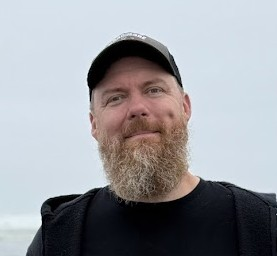
Kip Zwolenski
Workshop Presenter
Kip Zwolenski is an Early Childhood Education instructor. He has served as the faculty union president for the past seven years.Kip comes to Skagit with a breadth of experiences ranging from direct service in both early childhood and youth settings to administrative roles in higher education. His expertise in program development centers on academic pathways and inclusion. Kip’s undergraduate studies focused on child literacy in bilingual settings; whereas his graduate research concentration was on adult literacy and teacher preparation. Kip has developed both faculty and administrative learning groups that are providing the foundational knowledge for Skagit’s equity-based Student Achievement Strategy.
Thank You to Our Sponsors!